

Garden Obstacles: Best Native Plants to Attract Hummingbirds

Hummingbirds bring a lively splash of color and energy to any garden. Their rapid wing beats and iridescent feathers captivate many gardeners who want to invite these tiny birds to visit regularly. One of the most effective ways to attract hummingbirds is by planting native flowers that provide the nectar they need. Native plants are adapted to your local environment, making them easier to grow and more beneficial for local wildlife, including hummingbirds.

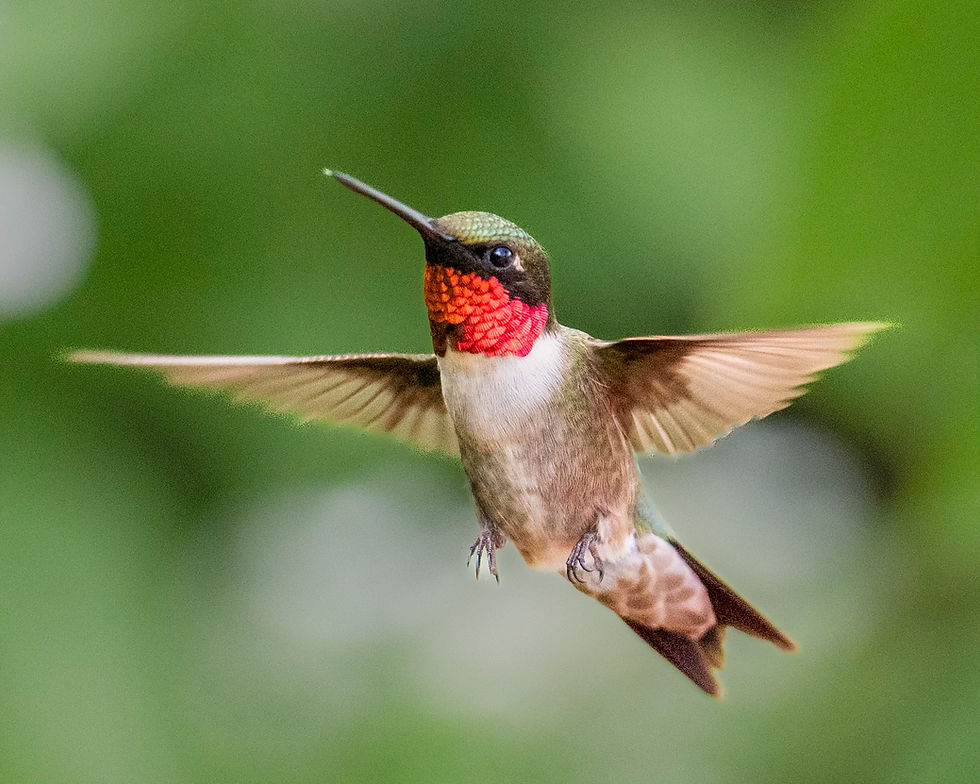
Why Choose Native Plants for Hummingbirds?
Native plants have evolved alongside local hummingbird species, creating a natural relationship. These plants offer the right shape, color, and nectar composition that hummingbirds prefer. Using native plants also supports the broader ecosystem by providing food and habitat for other pollinators and wildlife. Plus, native plants usually require less water and maintenance, making your garden more sustainable.
Top Native Plants to Attract Hummingbirds
Here are some native plants that hummingbirds find irresistible. Including a variety of these in your garden will provide nectar throughout the growing season.
Bee Balm (Monarda didyma)
Bee balm produces bright red, pink, or purple tubular flowers that are perfect for hummingbirds. It blooms in mid to late summer and thrives in full sun to partial shade. This plant also attracts butterflies and bees, adding more life to your garden.

Cardinal Flower (Lobelia cardinalis)
This striking plant has vivid red flowers that bloom in late summer. Cardinal flower prefers moist soil and partial shade, making it ideal for gardens near water features or shaded areas. Its long, tubular flowers are a favorite nectar source for hummingbirds.

Coral Honeysuckle (Lonicera sempervirens)
Coral honeysuckle is a native vine with clusters of coral red trumpet-shaped flowers. It blooms from spring to fall and grows well on trellises or fences. This plant provides a continuous nectar supply and shelter for hummingbirds. It is also a favorite site for nesting Northern Cardinals.

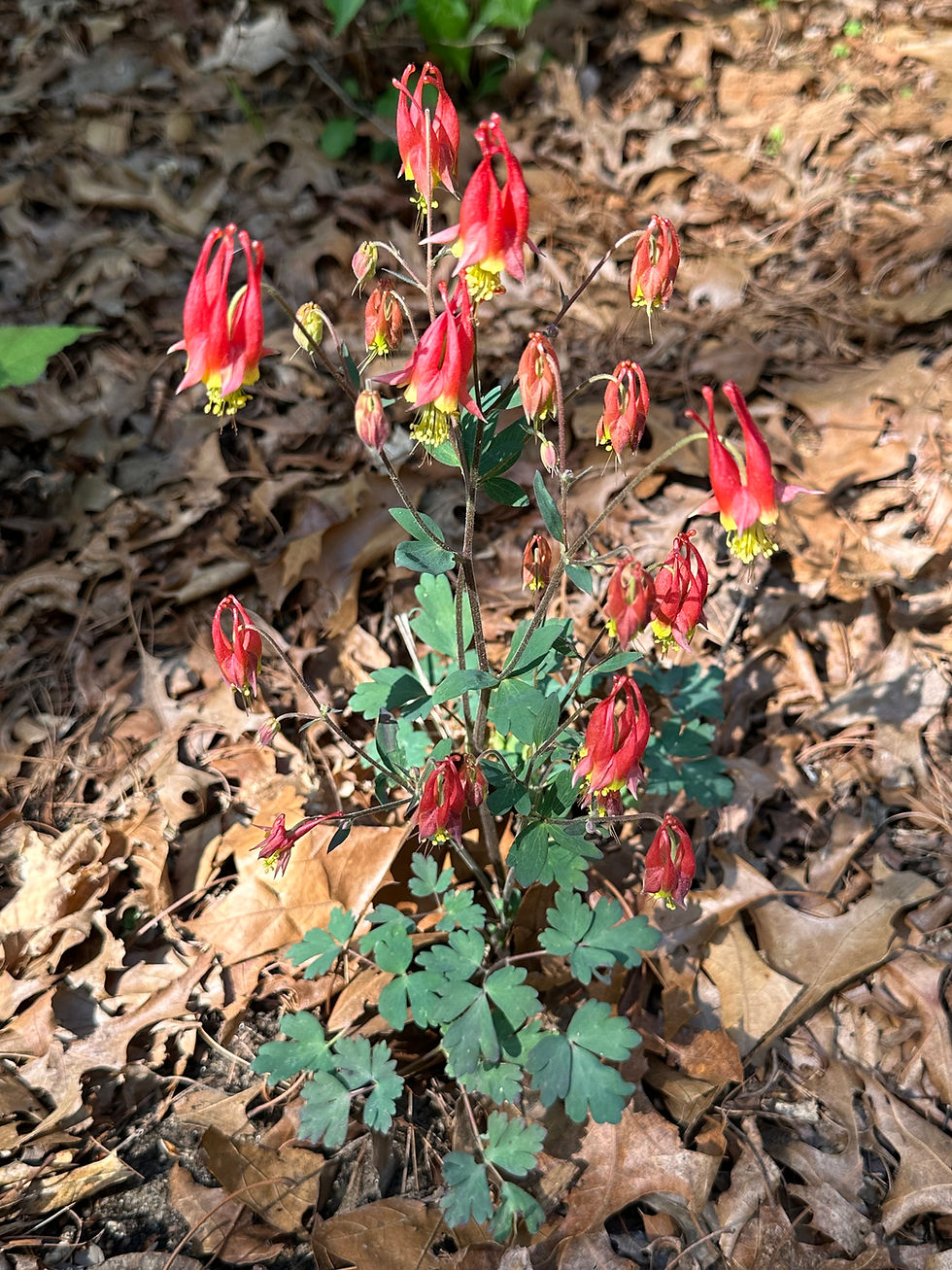
Wild Columbine (Aquilegia canadensis)
Wild columbine has delicate red and yellow flowers that bloom in spring. It prefers partial shade and well-drained soil. This plant adds early-season nectar and a unique shape that hummingbirds enjoy. Fun Fact: when the wild columbine blooms it signals the return of the hummingbirds for the season.
More great native plants for hummingsbirds:
Photos (KMS Native Plants): Top Row: butterfly weed (Asclepias tuberosa), swamp milkweed (Asclepias incarnata), wild bergamot (Monarda fistulosa), Middle Row: blue vervain (Verbena hastata), hyssop (Agastache species), blue flag iris (Iris versicolor), Bottom Row: sweet pepperbush (Clethra alnifolia), blue lobelia (Lobelia siphilitica), buttonbush (Cephalanthus occidentalis)
Tips for Creating a Hummingbird-Friendly Garden
Plant in clusters: Grouping the same species together makes it easier for hummingbirds to find nectar.
Provide water: A shallow birdbath or misting feature can attract hummingbirds for drinking and bathing.
Avoid pesticides: Chemicals can harm hummingbirds and reduce the insect population they also feed on.
Add perches: Thin branches or garden stakes give hummingbirds a place to rest between visits.
Include a variety of bloom times: This ensures nectar is available from early spring through fall.
KMS Native Plants will also have beautiful, Long Island grown annuals for the hummingbirds Mother's Day weekend, including fuchsia hanging baskets, coleus, salvia, summer snapdragon, lantana, batface cuphea and honeybells.


Comments